Acts of Containment
2025, exhibition together with Alberto Rossi and Lars Dyrendom
Gallery Résistance, Göteborg, Sweden
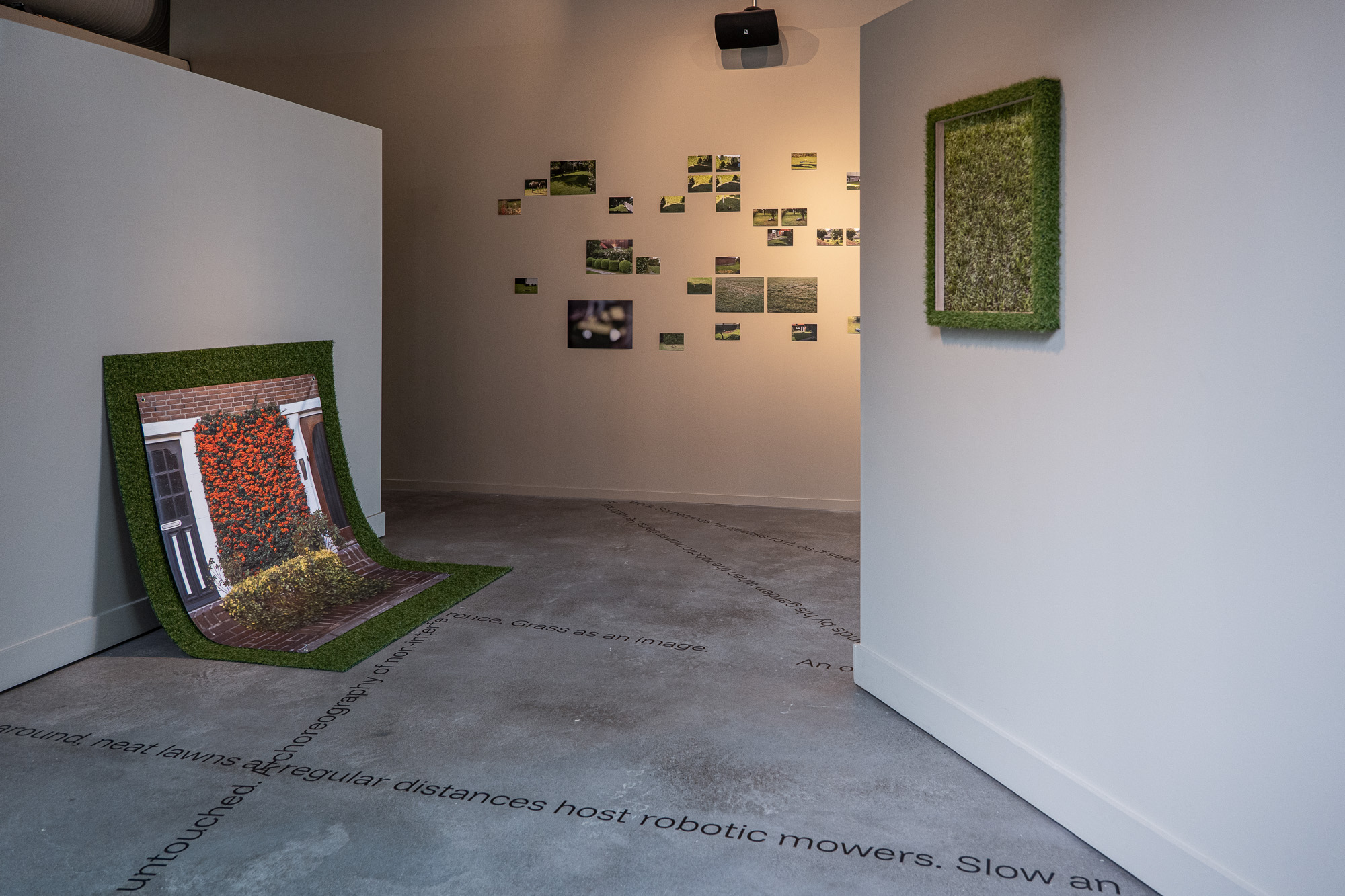
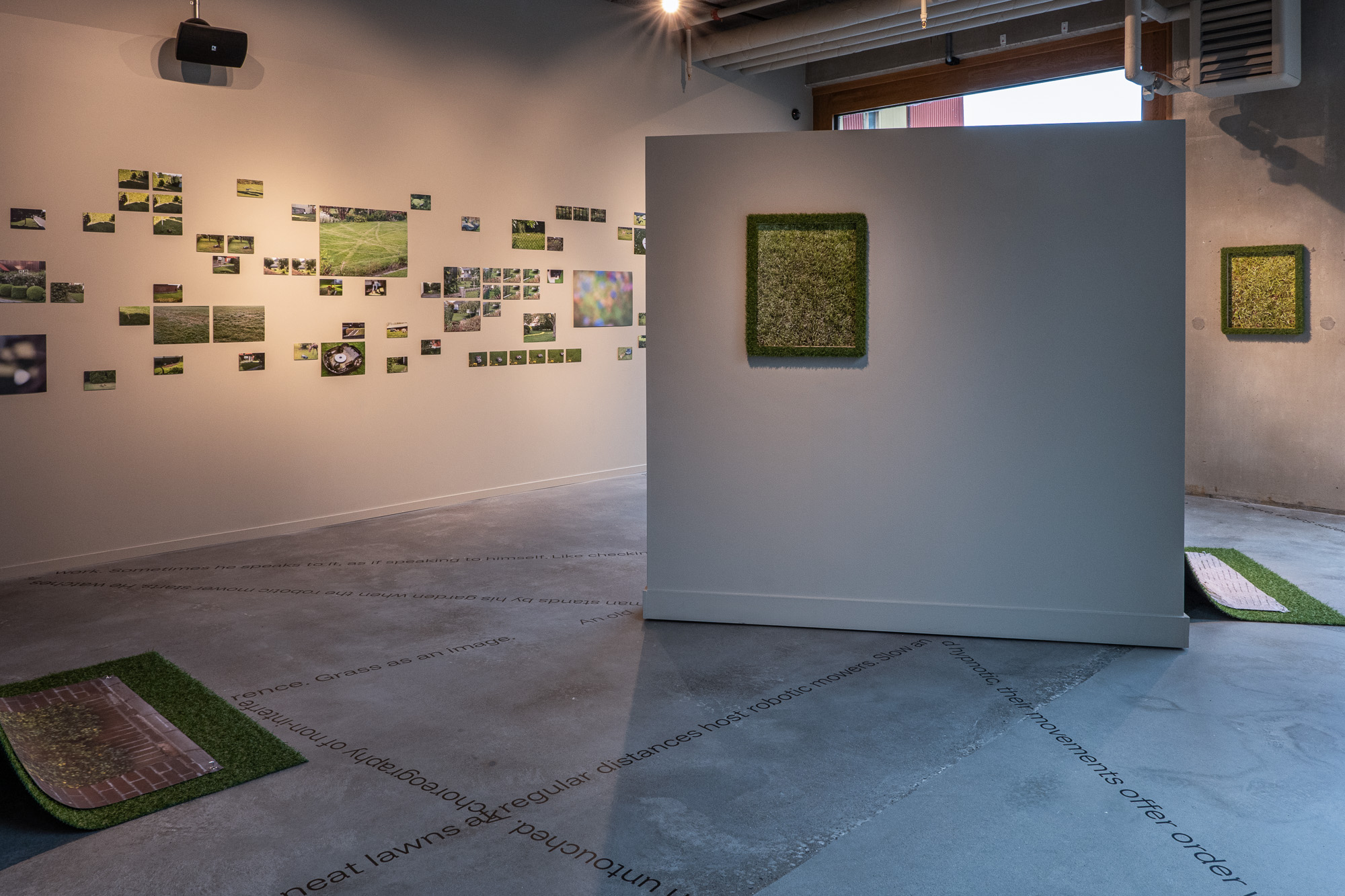
The exhibition Acts of Containment examines how private gardens and lawns in suburban and urban landscapes, have evolved from spaces of leisure to controlled environments shaped by technology and consumerism. The exhibited works questions what it means to manage a landscape and how our reliance on technological solutions both empowers and restricts us.
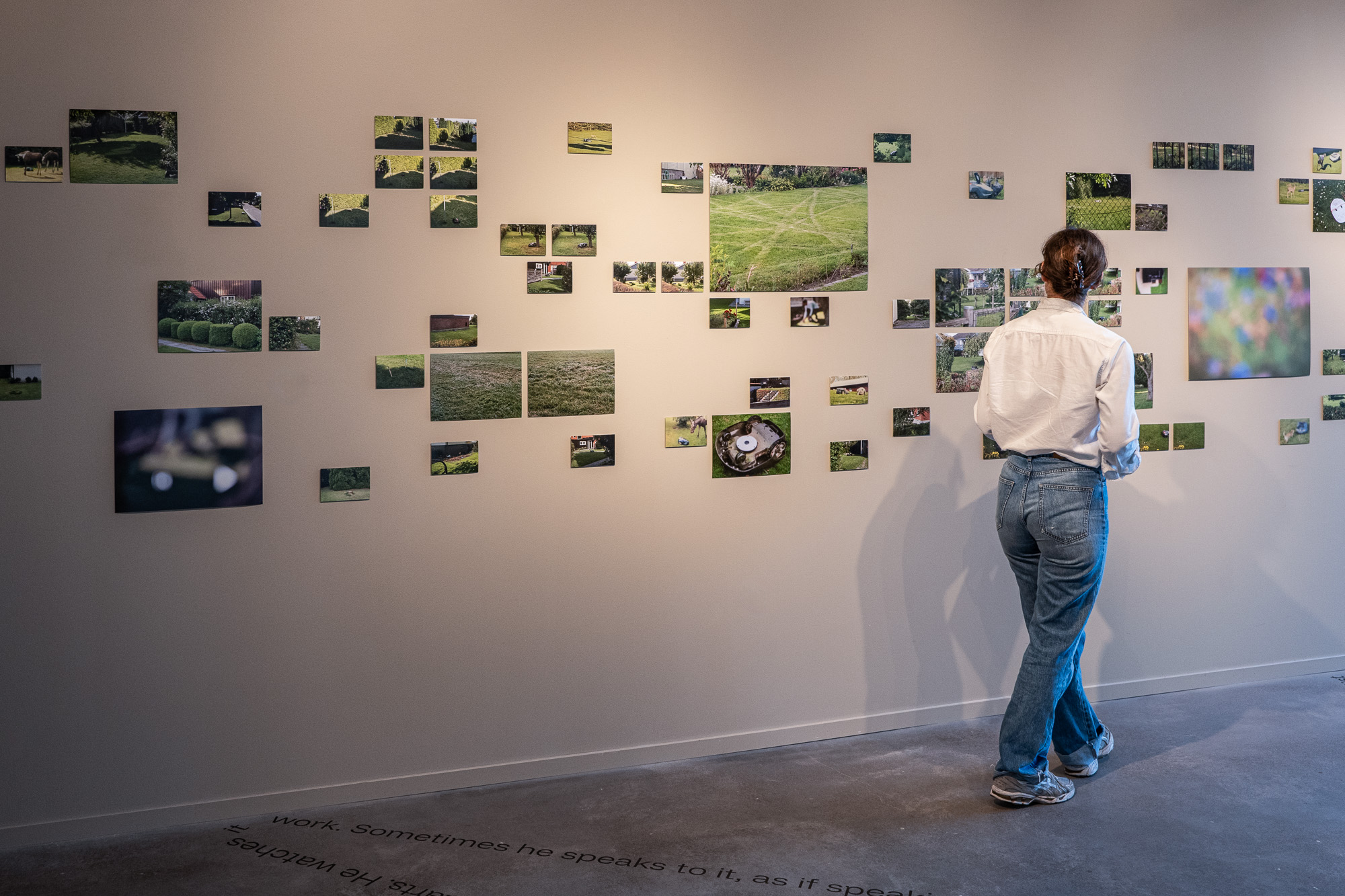
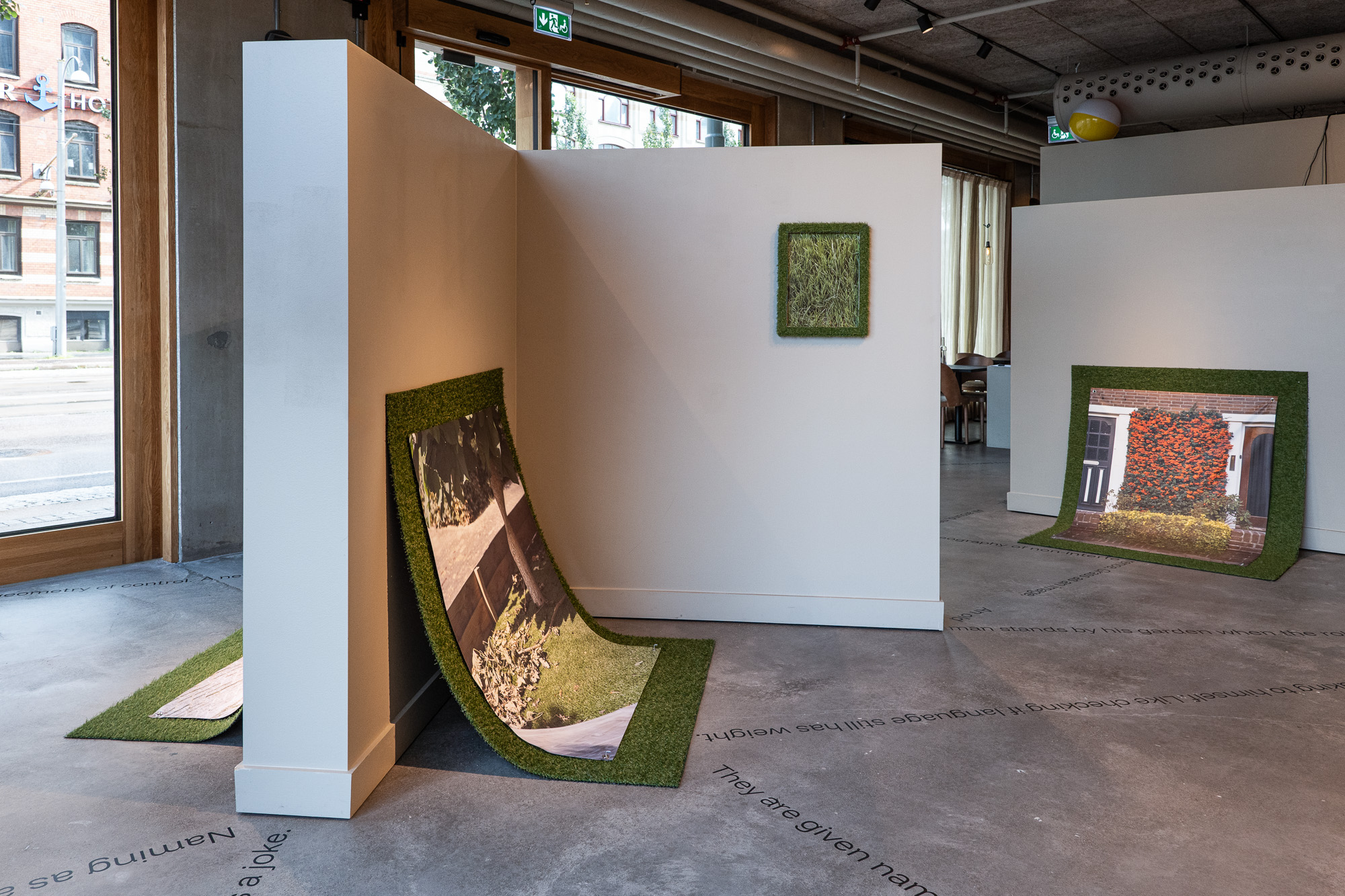
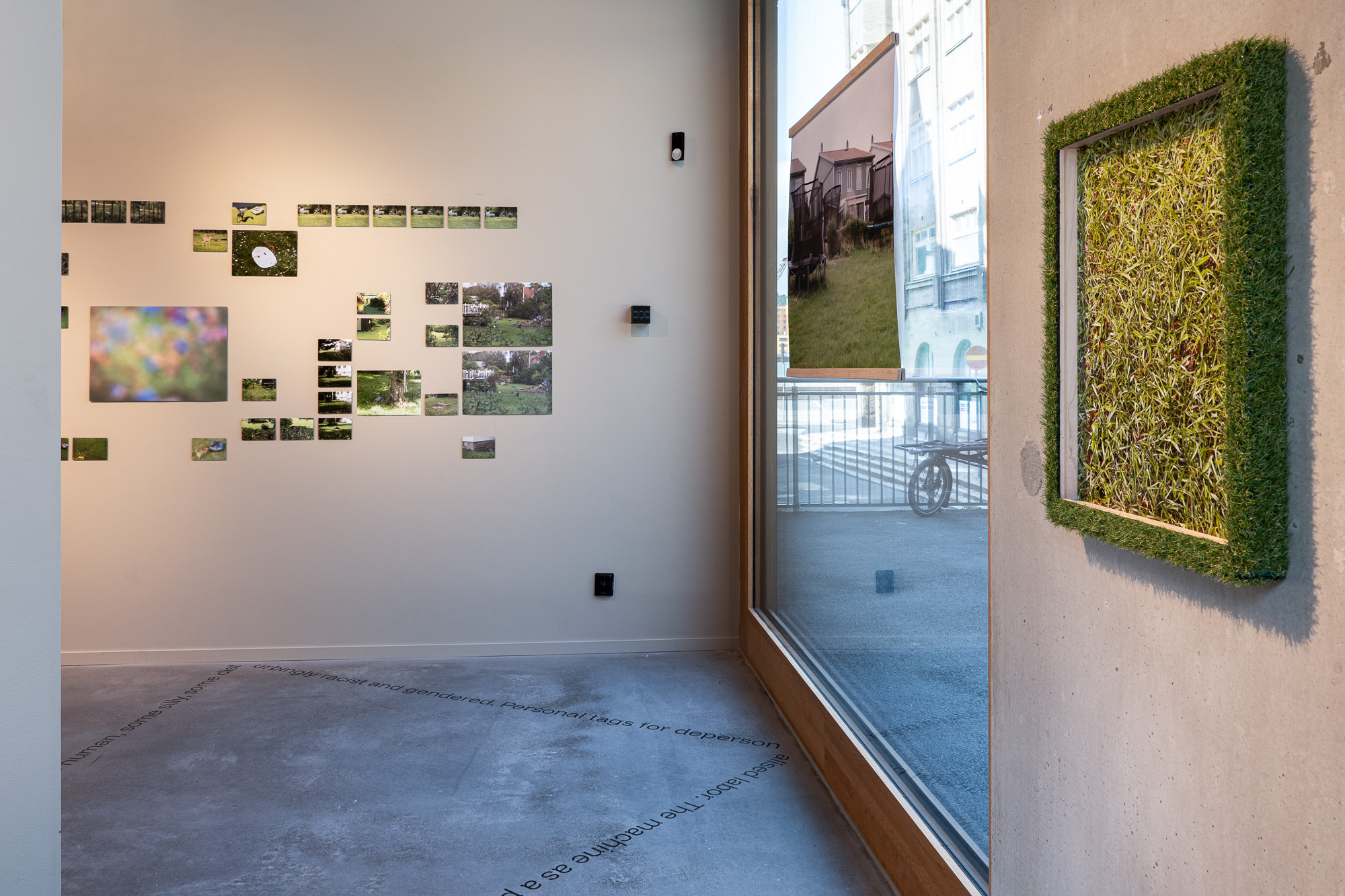
The exhibition included prints, a publication, a video and text.
In the contemporary suburban landscape, the private garden, historically a symbol of leisure and cultivation, reflects shifting values: it is often a controlled environment shaped by technology, consumer habits, and social expectations. What does it mean to "manage" a landscape, a lawn? How do technological solutions both liberate and constrain us? Our work invites viewers to reconsider how we inhabit and construct urban and suburban spaces, not as static backdrops, but as a dynamic, complex system reflecting our deepest social, technological, and environmental negotiations. What does it mean to share space with machines, with nature, and with each other?
The works explore these environments as reflections of societal dynamics like privilege, individualism, and the tension between the artificial and organic. Whether documenting robotic "species", exploring the treatment of non-human entities, or the individualistic (personal, private) suburban lifestyle, each piece gives a glimpse into our relationships to the environments we create and control.
Robotic "species" in Alberto’s work invoke a strange sense of lifelikeness - machines imbued with a personality through human affections, forming emotional ties with them. The humor lies in the absurdity of this dynamic, while the eerie undertones highlight the consequences of our reliance on technology to mediate our connection with nature. Playfulness, too, finds a central role, counterbalancing the rigidity of control.
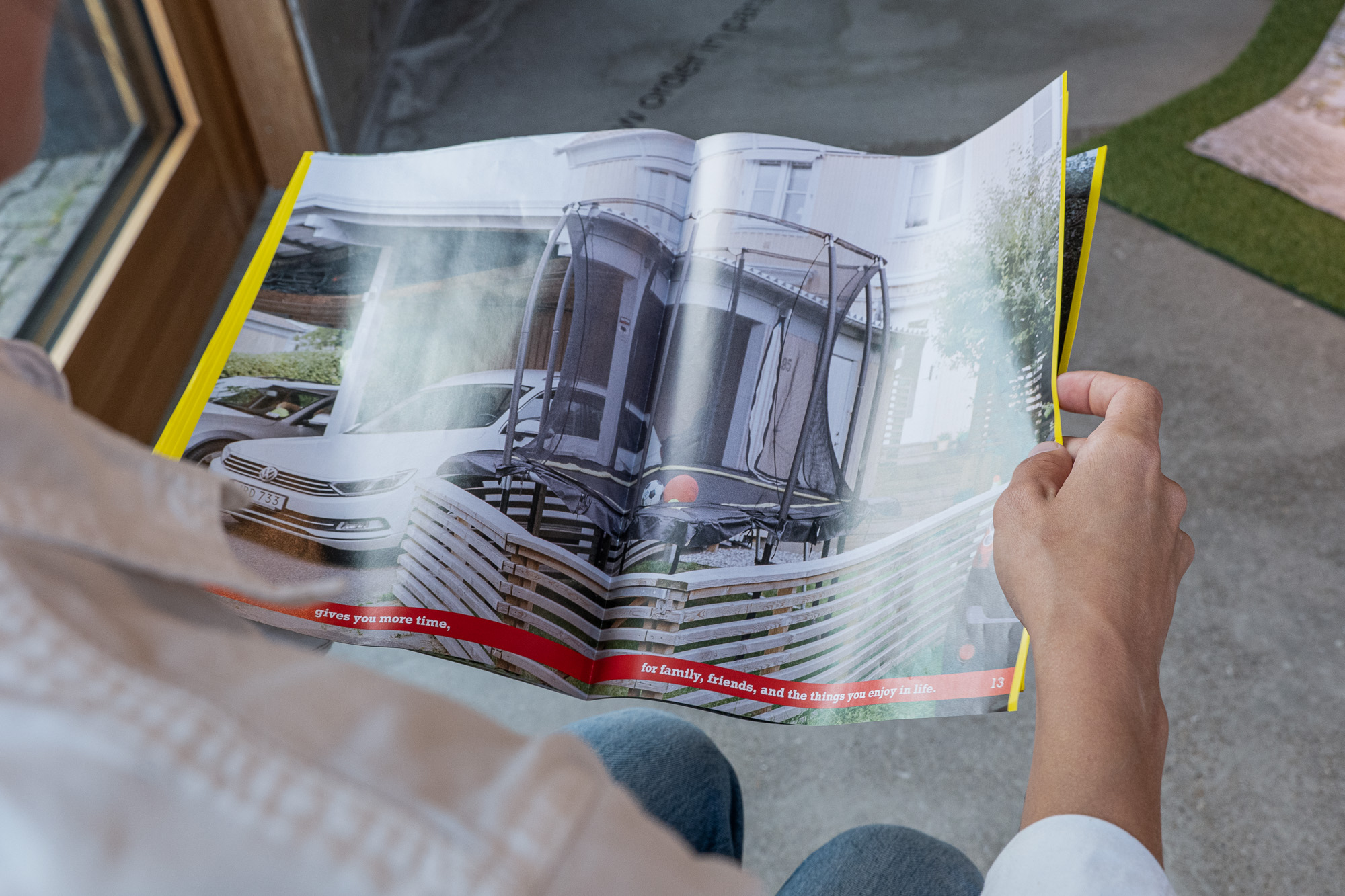
Lars Dyrendom’s trampolines symbolize childhood joy but also critique social conformity and materialism. They serve as metaphors for suburban aspirations, where happiness is precariously tied to performance and material possessions.
Tina’s Dutch Wilderness explores human reshaping of fauna, while originating from the Dutch suburbia, it can address universal themes: human intervention, ecological strain, and biodiversity loss. In the work Grass Closeups this is presented through the production and imitation of the very building block of the perfect block of grass; now bought in a hardware store or digitally generated for the perfect image of a listed property.